Win for America Super PAC Emerges with Nearly $48 Million from Sports Betting Leaders Targeting 2026 Statehouse Battles
Win for America Super PAC Emerges with Nearly $48 Million from Sports Betting Leaders Targeting 2026 Statehouse Battles

The Rise of Win for America in the Betting Landscape
A new super PAC called Win for America has quickly gathered steam, pulling in nearly $48 million from powerhouse sports betting firms, and now sets its sights on the 2026 midterm elections where state-level races could reshape online sports betting and iGaming rules across the country. DraftKings' parent company chipped in $17.5 million, FanDuel matched that intensity with $19.5 million, and Fanatics added $4 million to the pot, creating a war chest designed to sway lawmakers in key battlegrounds. Observers note how this funding blitz reflects the industry's push to expand regulated markets, highlighting potential boosts in jobs and tax revenue that legalized betting often delivers to states already in the game.
What's interesting here is the timing; with midterms looming just over two years away, the group has already burned through more than $20 million, funneling cash to both Democratic and Republican-aligned outfits, a bipartisan move that underscores the cross-party appeal of betting expansion in places where it's still off-limits. According to recent reports, Win for America plans to zero in on at least six states, blending pushes for full legalization with defenses against tax hikes on existing operations, all while promoting the economic upsides that come with regulated online wagering.
Breaking Down the Big Money Backers
DraftKings, through its parent entity, leads the charge with that hefty $17.5 million infusion, a figure that FEC filings confirm as part of the super PAC's rapid buildup; FanDuel isn't far behind at $19.5 million, while Fanatics rounds out the trio with $4 million, together forging a total that positions Win for America as a major player before the first ads even hit the airwaves. These contributions aren't just numbers on a ledger—they signal a calculated bet by industry giants who've seen states like New Jersey and Michigan thrive with billions in tax hauls and thousands of jobs from legal sportsbooks.
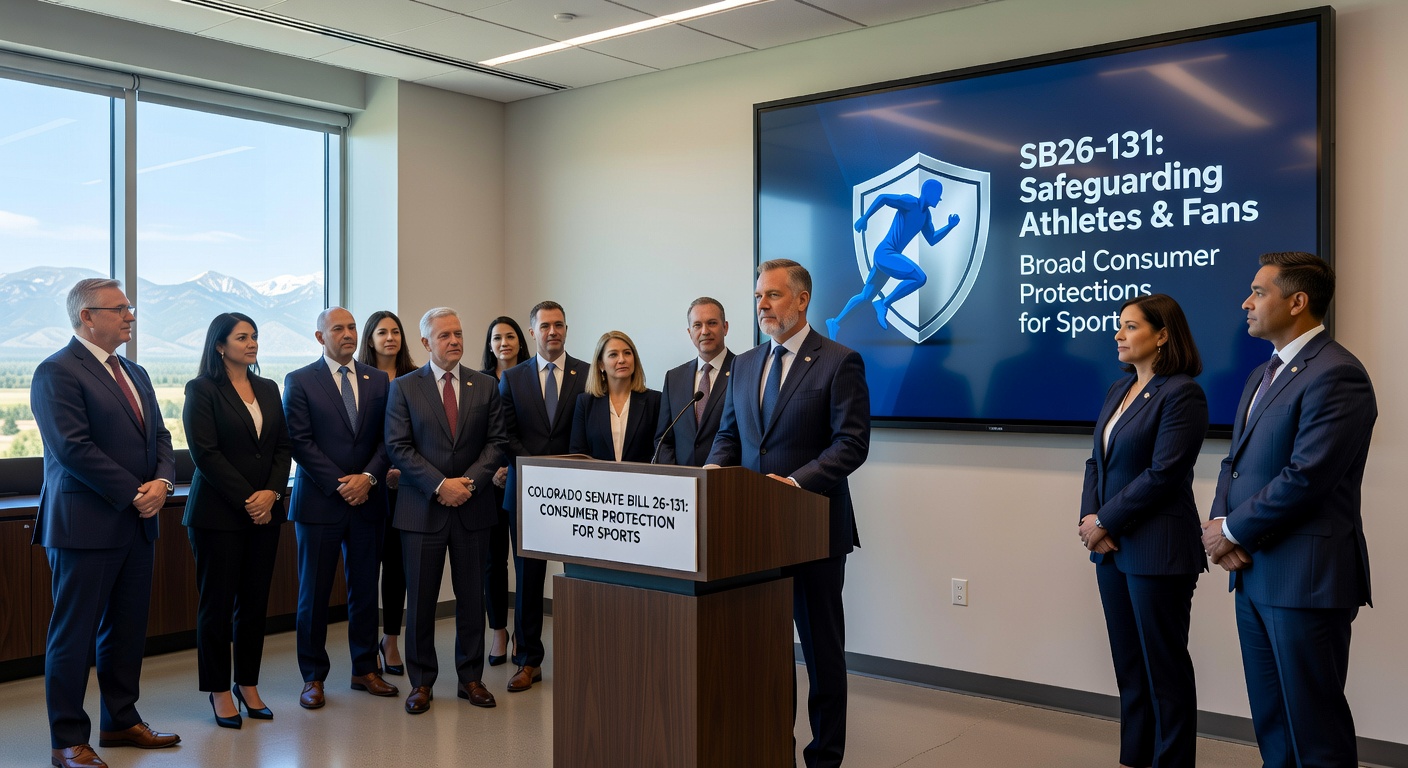
And yet, the strategy extends beyond raw cash drops; the PAC leverages this funding to craft messages around consumer protections in regulated setups, contrasting them with the black-market risks that persist where legalization stalls, a narrative that's landed well in past state fights. People who've tracked super PAC spending patterns know how early investments like these can flood airwaves come primary season, tilting races toward pro-betting candidates without the direct coordination limits that hobble traditional campaigns.
Strategic Targets: States in the Crosshairs
Texas and Georgia top the list for outright legalization drives, where massive populations and sports-crazed fans make them prime turf for online sports betting and iGaming rollout; in Pennsylvania, the focus shifts to battling proposed tax increases on incumbents who've already turned the state into a revenue machine, generating tens of millions monthly from bets placed on everything from NFL spreads to casino slots. The PAC eyes at least four more states—though specifics remain under wraps for now—but the playbook stays consistent: champion regulated frameworks that promise job creation in tech and customer service roles, alongside steady tax streams for schools, roads, and local budgets.
Take Texas, for instance, where pro-betting bills have repeatedly hit walls in Austin despite polls showing broad public support; Win for America's war chest could change that dynamic by 2026, especially if it backs challengers who frame legalization as an economic win amid budget crunches. Georgia mirrors this setup, with Atlanta's pro teams drawing bettor interest that's currently funneled offshore, while Pennsylvania's operators face tax hike threats that could crimp expansions and jobs—threats the PAC aims to quash through targeted ads and grassroots pushes.
Early Spending and Bipartisan Plays
Over $20 million already deployed marks an aggressive start, with dollars split between Democratic and Republican groups that align on betting-friendly policies, a smart hedge in an era of divided statehouses; this isn't the first time industries have gone super PAC route—think pharma or energy—but sports betting's youth in the U.S. (legal nationwide only since 2018) makes Win for America's moves stand out, particularly as April 2026 approaches with primaries that could lock in November slates. Data from similar efforts shows how such spending sways close races, often by 5-10 points in low-turnout midterms, where turnout hinges on motivated donors and voters alike.
But here's the thing: the PAC's pitch emphasizes benefits beyond balance sheets—regulated apps mean age verification, problem gambling tools, and local hiring that unregulated sites can't match, points hammered in past wins like Ohio's 2023 ballot measure. Those who've studied FEC disclosures observe how this early cash positions Win for America to scale up, potentially matching or exceeding the $100 million some project for full-cycle influence by November 2026.
Economic Arguments Driving the Push
Proponents highlight how legalized sports betting and iGaming pump jobs into states—think server farms for odds data, call centers for bettors, and marketing teams—while tax revenues have topped $5 billion nationwide since PASPA fell, with Pennsylvania alone raking in over $1 billion annually from its mix of retail and online handles. Win for America builds on this, arguing that expansion to Texas or Georgia could mirror Illinois' surge, where $800 million in first-year taxes funded infrastructure without new levies; opposing Pennsylvania tax hikes preserves that model, keeping operators competitive against neighbors like New Jersey.
Now, as 2026 nears, the PAC's focus sharpens on lawmakers who control gaming committees, using data-driven ads that showcase peer states' successes—jobs up 20% in some markets, revenues funding education without cuts elsewhere. It's noteworthy that this regulated approach contrasts sharply with illicit betting, which drains tax dollars and exposes users to scams, a dichotomy the super PAC plans to exploit in voter outreach.
Looking Ahead to Midterm Showdowns
With filings painting a clear picture of momentum, Win for America stands poised to reshape state gambling laws by November 2026, potentially unlocking billions more in economic activity if Texas and Georgia flip; Pennsylvania's tax fight adds urgency, as higher rates could slow industry growth that's already created 10,000+ jobs there. Observers tracking super PACs point out how bipartisan funding dodges partisan traps, appealing to fiscal conservatives on revenue and progressives on consumer safeguards.
So, as April 2026 rolls around with budget debates heating up, expect Win for America's ads to proliferate, backing candidates who prioritize regulated betting's proven track record—jobs steady, taxes flowing, markets secure. The ball's now in the states' court, but with nearly $48 million fueling the effort, the game's far from over.
Conclusion
Win for America super PAC's launch, backed by DraftKings, FanDuel, and Fanatics to the tune of almost $48 million, signals a high-stakes bid to influence 2026 midterms across at least six states, from legalization in Texas and Georgia to tax defenses in Pennsylvania; already $20 million spent on bipartisan groups underscores the resolve, while economic perks like jobs and revenues form the core message. Data confirms the industry's growth trajectory, and as filings evolve, this story bears watching for anyone eyeing the intersection of betting and politics.