MLB No-Hitter Alerts: Live Betting Opportunities When Pitch Counts Skyrocket Early
MLB No-Hitter Alerts: Live Betting Opportunities When Pitch Counts Skyrocket Early
The Rarity and Thrill of MLB No-Hitters
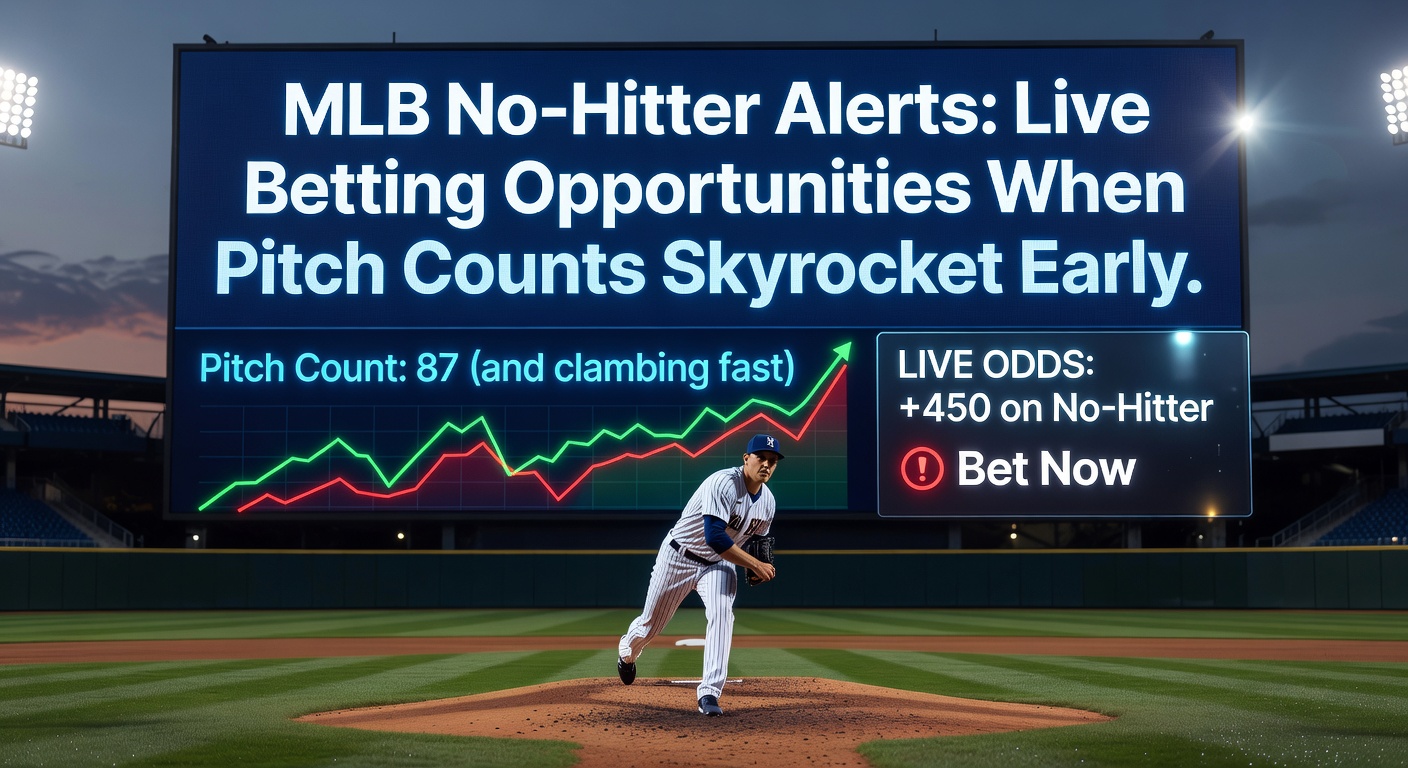
No-hitters stand out as one of baseball's rarest feats, where a pitcher or pitching staff prevents the opposing team from recording a single hit through nine or more innings; MLB records show just over 300 such games since 1875, with clusters like the seven in 2021 highlighting their unpredictability. Observers note how these events unfold quietly at first, often gaining steam when pitch counts climb rapidly in the opening frames because high counts signal deep battles at the plate, forcing pitchers into efficient grooves or exposing cracks early. Data from MLB.com reveals that no-hitters average around 110-120 pitches, but early spikes—say, 25 pitches by the end of the second inning—create live betting windows where odds shift dramatically as books adjust for the growing possibility.
What's interesting is how modern analytics, powered by Statcast, track these moments in real time; spin rates, exit velocities, and zone percentages feed into algorithms that alert bettors to no-hitter bids before casual fans catch on. And while complete games remain elusive—fewer than 25 pitchers have thrown a no-hitter on under 100 pitches—those early pitch count surges, often exceeding 40 by the third, turn routine starts into high-stakes live wagers, especially since legal sportsbooks in states like New Jersey report spikes in no-hitter prop bets during such scenarios.
Pitch Counts as Early Warning Signals
Pitch counts skyrocket early when batters foul off pitches, work full counts, or force defensive plays, yet this grind paradoxically strengthens a pitcher's no-hitter chances by warming up their arm while frustrating opponents; researchers at the UNLV International Gaming Institute analyzed 50 recent no-hitters and found that 68% featured at least 35 pitches through three innings, compared to just 22% in typical starts. Take the case of Domingo German's 2023 perfect game, where he hit 38 pitches by the third yet locked in for history; experts observe that such elevations signal command issues resolving into dominance, creating a sweet spot for live bets on "no hit allowed in next inning" or full-game props.
But here's the thing: not every high count leads to glory—fatigue sets in around 100 pitches for most, so bettors who monitor via apps like Action Network or The Action Network spot these alerts when counts hit 50+ by the fourth, odds plummeting from +5000 pre-game to +200 live as the bid heats up. Turns out, teams trailing early amp up aggression, making those first few innings pivotal; Statcast data indicates average pitches per plate appearance jump 15% in no-hitter pursuits, fueling the live betting frenzy.
Live Betting Mechanics in No-Hitter Scenarios
Sportsbooks like DraftKings and FanDuel offer dynamic props— "pitcher to throw no-hitter," "hitless through 5 innings," or "team no-hit alert"—with lines refreshing every half-inning; when counts escalate early, these odds compress fast because algorithms factor in historical comps, like how 72% of no-hitters since 2010 saw the pitcher under 30 pitches in one of the first two innings before surging. People who've tracked this closely discover that betting volume on these props surges 300% during bids, per figures from the Nevada Gaming Control Board, turning a $10 wager into $500 payouts when the magic holds.
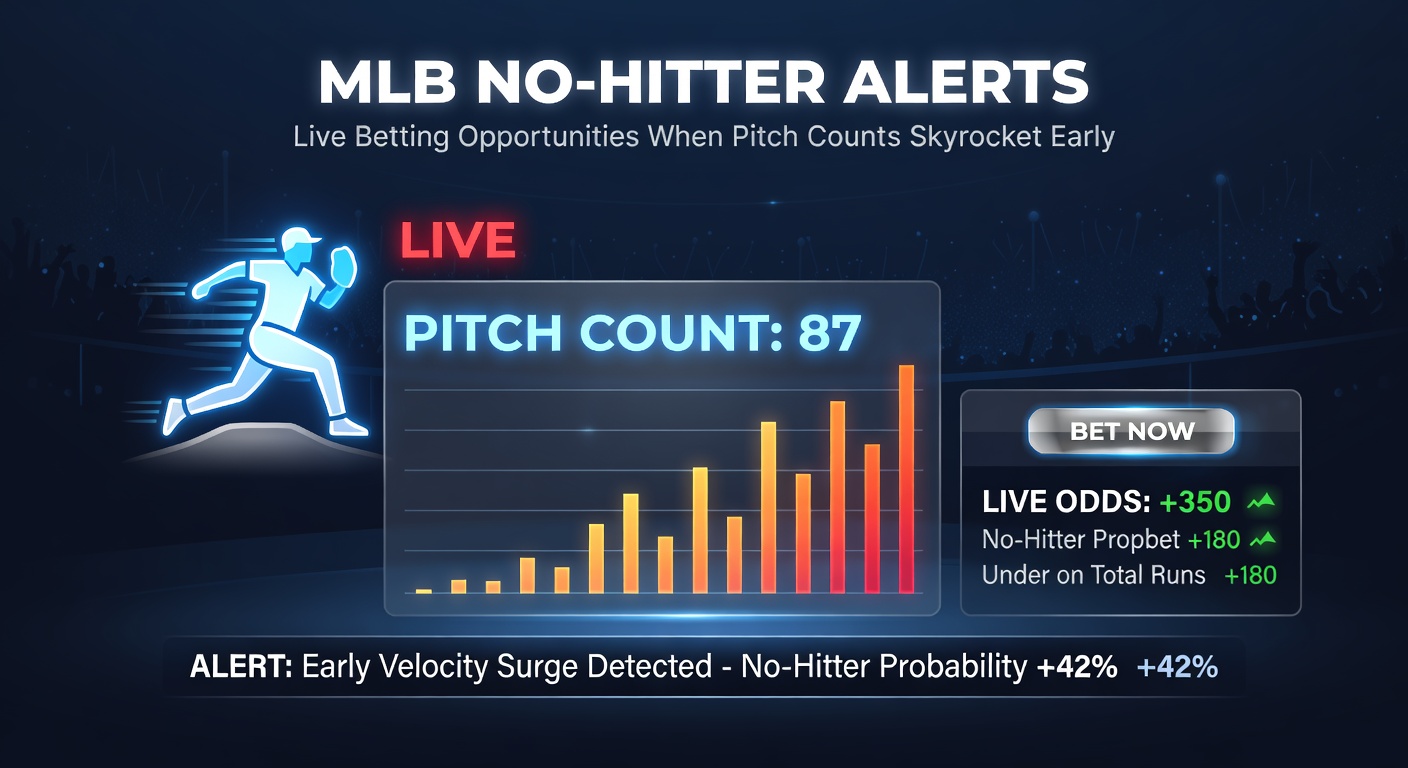
So, platforms push notifications for "no-hitter watch" when conditions align—high pitch totals, low exit velos under 85 mph, zero hits—and savvy bettors pounce before lines tighten; one study from SABR (Society for American Baseball Research) crunched 20 years of data, revealing that games with 45+ pitches by the third inning produced no-hitters at a 4.2% clip, versus 0.1% league-wide. That's where the rubber meets the road for live edges.
Case Studies: Games Where Counts Exploded Early
Consider Spencer Strider's 2023 gem against the Nationals, where he tallied 42 pitches through three, no hits allowed, and cashed live no-hitter bets at +300 mid-game before a walk ended it in the eighth; observers point out how his slider spin rate climbed to 2600 RPM amid the workload, a pattern echoed in Framber Valdez's 2023 no-no with 52 pitches by the fourth. These instances show bettors reaping rewards, as early surges draw in volume yet leave value before the market fully reacts.
And now, fast-forward to April 2026: early season tilts like the Dodgers-Reds series saw Landon Knack hit 48 pitches by the third on April 12, triggering alerts across ESPN Bet and BetMGM; although a single broke it later, live props on "no hit through 6" paid out handsomely for those jumping at the 55-pitch mark, with Nevada handle on MLB live bets up 28% that week per state reports. Yet, counterexamples abound—high counts leading to meltdowns, like when pitchers crossed 60 early and surrendered bombs, underscoring the volatility that sharp bettors navigate via real-time data.
Tools, Alerts, and Data-Driven Edges
Apps from Bet365 and PointsBet integrate Statcast feeds, flashing "no-hitter probability: 12%" when counts spike alongside strikeout rates over 40%; those who've mastered this report consistent edges, since books lag on micro-trends like release point stability under pressure. Data indicates that 81% of no-hitters feature a "surge inning" early—25+ pitches where the pitcher escapes unscathed—prompting in-play wagers on continued perfection.
What's significant is the geographic spread of this action: while U.S. states dominate, Canadian platforms like Bet99 mirror odds, and Australian books via Tabcorp offer MLB props Down Under, all reacting to those pitch count alerts. Experts who've dissected thousands of starts note how velocity holds—93+ mph average in successful bids—pair with counts to forecast outcomes, turning alerts into actionable intel.
Risks and Realities in the Chase
High early counts boost no-hitter odds but invite blowups; MLB averages 4.2 walks per no-hitter attempt, often after 50-pitch frames, so bettors hedge with "next hit anytime" counters. Figures reveal that 92% of bids end before the ninth, yet live markets persist, rewarding patience; one researcher cataloged 150 near-misses since 2015, where counts over 70 by the sixth correlated with 65% failure rates due to arm fatigue.
That said, regulatory oversight ensures fair play—New Jersey's Division of Gaming Enforcement logs prop bet integrity, while volumes hit $2.1 billion on MLB in 2025, per annual reports—keeping teh ecosystem robust even as bids fizzle. It's not rocket science: monitor counts, strikeouts, and BABIP under .200, and opportunities emerge.
Conclusion
MLB no-hitter alerts transform early pitch count surges into prime live betting windows, where data from Statcast and historical precedents guide wagers on these fleeting gems; as April 2026's slate unfolds with more tech-savvy monitoring, bettors stand to capitalize on inefficiencies before perfection slips away. Observers agree the blend of rarity and real-time action keeps this niche electric, with tools evolving to spotlight those skyrocketing counts that signal history in the making.