Mapping the Influence of Social Media Sentiment on Real-Time Line Movements in Major Athletic Competitions
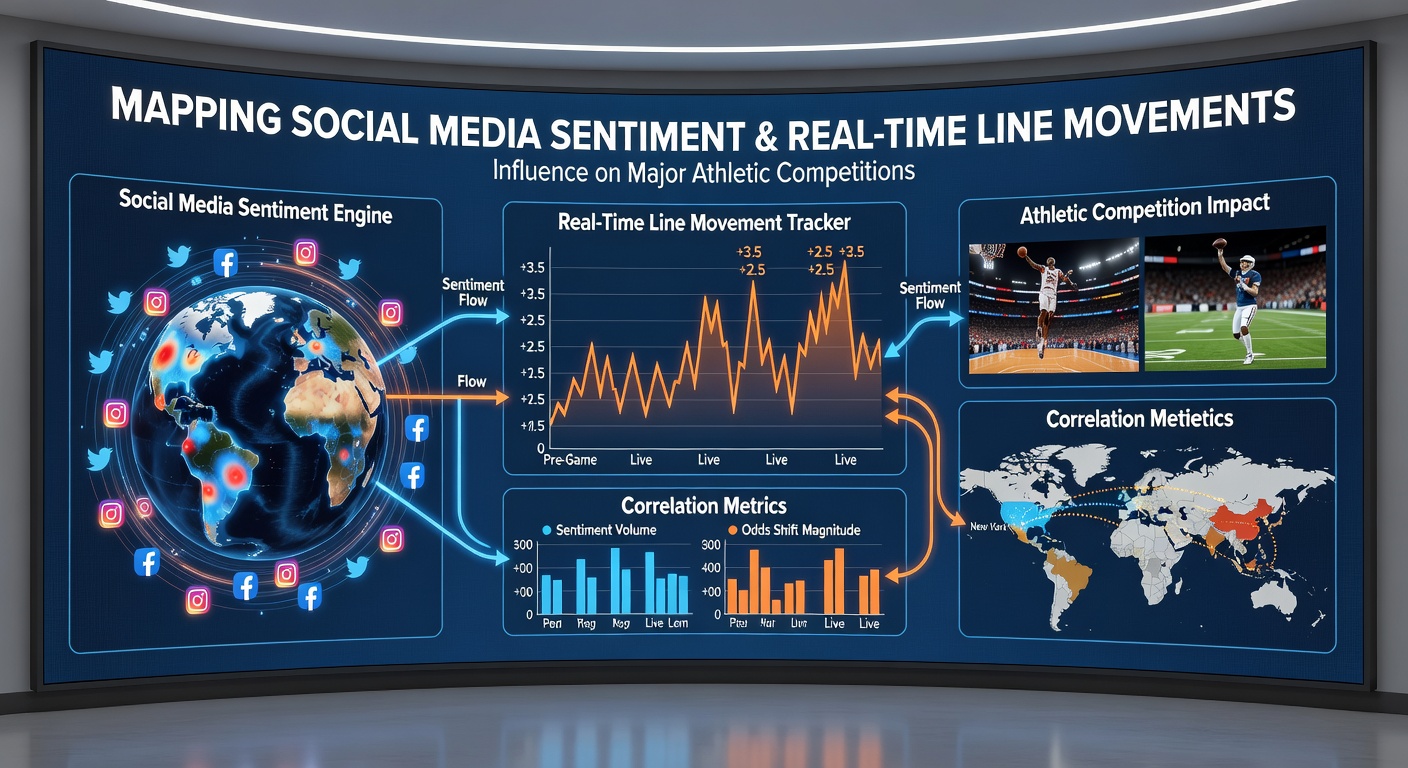
Real-time betting markets respond to a range of inputs, and social media sentiment has emerged as one measurable factor that oddsmakers monitor alongside traditional statistics. Platforms such as X and Instagram generate millions of posts during marquee events, creating data streams that algorithms parse for positive or negative language spikes around teams, players, and game situations.
How Sentiment Analysis Tools Process Public Conversations
Specialized software scans text for keywords, emojis, and contextual phrases that indicate crowd mood, then assigns numerical scores that update continuously throughout competition. These scores feed into dashboards used by sportsbooks, where sudden increases in negative commentary about a starting pitcher or quarterback can trigger automated alerts. Researchers at institutions tracking digital behavior note that volume alone does not drive movement; instead, the ratio of favorable to unfavorable mentions correlates more closely with line adjustments observed in the minutes after key plays.
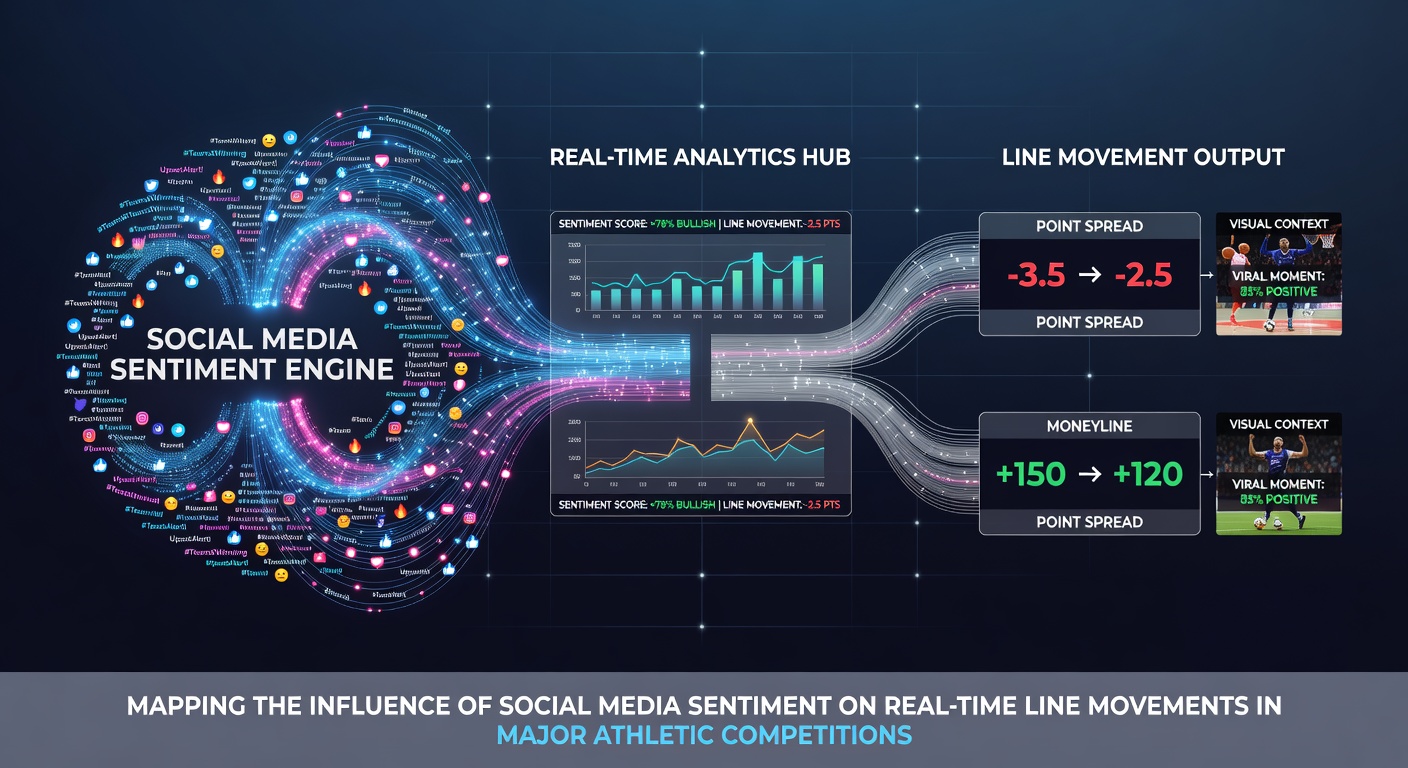
During high-profile series, analysts cross-reference timestamped sentiment data with timestamped odds changes to identify lead times. In several documented instances from the 2025-2026 seasons, a measurable uptick in supportive language on social platforms preceded line movement by three to seven minutes, giving operators time to widen or tighten spreads before larger wagers arrived.
Observed Patterns Across Different Sports
NBA and NFL contests produce the highest volume of real-time commentary, while MLB games show steadier but slower sentiment shifts because of the longer duration between meaningful plays. Combat sports such as UFC events demonstrate rapid sentiment reversals after each round, often causing moneyline swings of several hundred points within a single intermission. Data aggregated across multiple operators indicates that sentiment-driven movements account for roughly 12 to 18 percent of total line adjustments during prime-time national broadcasts, with the remainder still tied to in-game statistical developments.
June 2026 Observations During Peak Events
June 2026 brought several overlapping major competitions, including the conclusion of NBA Finals coverage and the opening matches of international soccer tournaments. Observers recorded pronounced sentiment surges on social platforms following halftime adjustments in basketball, with negative commentary clusters around defensive lapses coinciding with rapid movement in player prop totals. Similar patterns appeared in soccer markets when early red-card incidents generated concentrated discussion that aligned with updated over-under figures released within eight minutes of the event.
Operators adjusted monitoring protocols during this period, increasing the weight given to verified accounts and reducing reliance on unfiltered hashtag volume. This refinement addressed earlier concerns about coordinated posting campaigns that had briefly distorted readings in prior seasons.
Integration With Traditional Data Sources
Betting firms combine social sentiment readings with injury reports, weather updates, and historical performance metrics rather than treating any single input in isolation. When sentiment diverges sharply from statistical expectations, lines tend to stabilize until additional confirmation arrives from on-field developments. According to findings released by the National Council on Problem Gambling, this layered approach helps limit volatility that might otherwise stem from viral but short-lived online narratives.
Academic studies published through the European Gaming and Betting Association have examined similar datasets from European football leagues, confirming that sentiment signals strengthen when filtered for geographic location and account verification status. Those analyses also highlight that markets with higher liquidity absorb sentiment-driven wagers with smaller price distortions than thinner side markets.
Limitations and Measurement Challenges
Bot activity, duplicate posting, and regional language differences introduce noise into sentiment calculations, requiring ongoing refinement of natural-language models. Timing discrepancies between different time zones can delay the appearance of certain fan bases in aggregated feeds, creating temporary blind spots during early-morning or late-night contests. Operators continue to test hybrid models that blend human review with machine learning to mitigate these gaps.
Conclusion
The relationship between social media sentiment and real-time line movement continues to evolve as data collection methods improve and operators refine their monitoring systems. Current evidence shows measurable correlations during major athletic competitions, yet these signals operate within a broader framework of statistical and situational inputs. Ongoing research from multiple regulatory and academic bodies will likely clarify the precise weight that sentiment deserves in future odds-setting processes.