Decoding Fighter Stamina Metrics Behind Mid-Fight Line Shifts in Combat Events
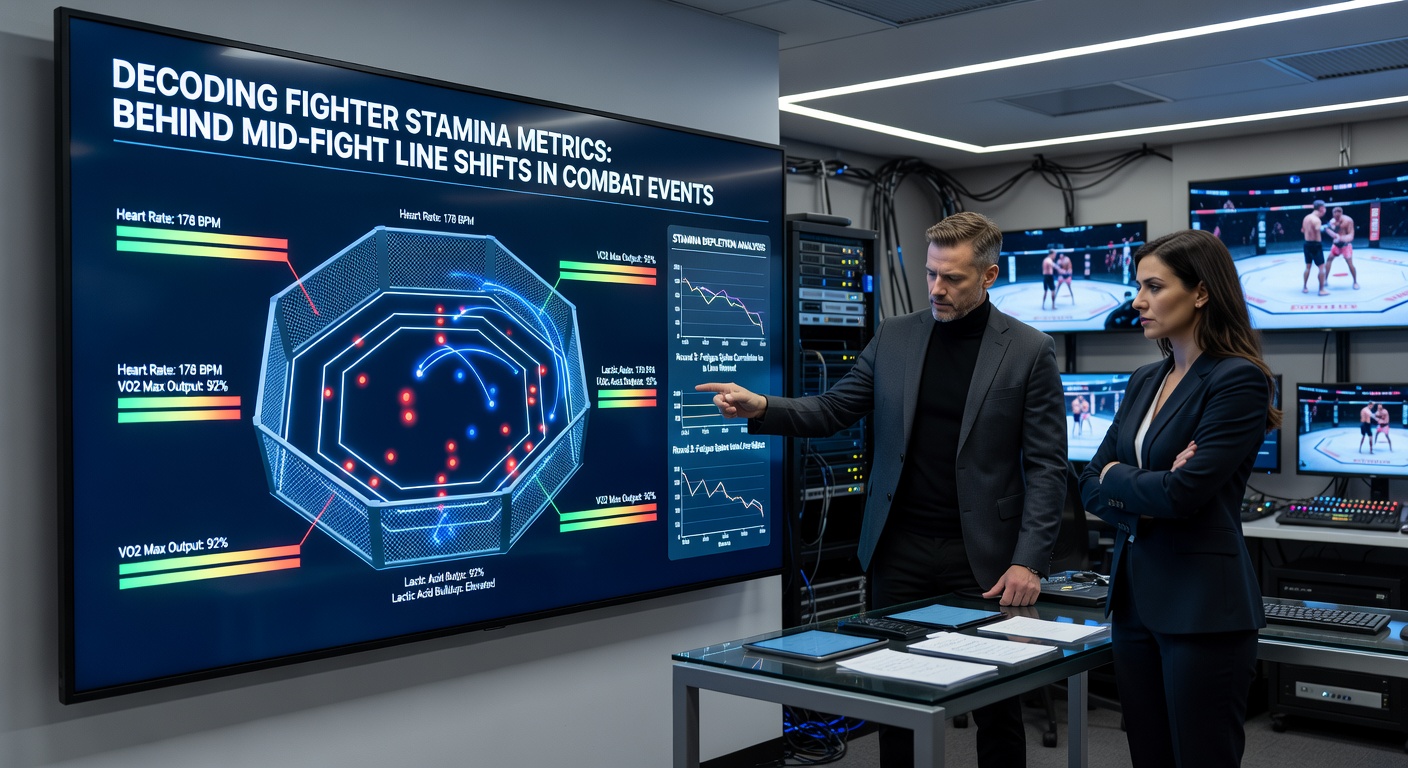
Combat events generate real-time adjustments to betting lines when fighters display shifts in energy output and recovery patterns that analysts track through specific metrics. Observers note that these changes often emerge after the second round when initial power reserves deplete and sustained performance becomes the deciding factor. Data from multiple promotions indicate that heart rate variability combined with strike accuracy percentages can signal fatigue before it becomes visually obvious to casual viewers.
Stamina metrics in combat sports include output volume measured as strikes attempted per minute along with defensive metrics such as takedown defense rates and clinch control time. Researchers at institutions like the Australian Institute of Sport have examined how these figures correlate with fight outcomes across weight classes. When a fighter maintains above 4.5 significant strikes per minute into the championship rounds while keeping takedown defense above 70 percent, betting lines tend to move toward that competitor even if they trailed on the scorecards early.
Core Indicators That Trigger Line Movement
Performance analysts monitor punch output decay rates because a drop of more than 25 percent between rounds frequently precedes visible slowing. Recovery intervals between exchanges also matter since shorter rest periods between high-intensity bursts reveal aerobic capacity limits. Those who studied fight footage from events held through early 2026 found that fighters able to sustain clinch work above 45 seconds per round without heart rate spikes above 180 beats per minute kept their lines stable or improved them mid-fight.
Another key measure involves footwork distance covered per round tracked through positional data systems. Fighters who cover less than 80 percent of their first-round distance by round three often see odds drift against them as markets price in reduced mobility. This pattern appeared consistently across several title bouts where early pressure fighters faded after establishing leads.
Case Examples From Recent Cards
Take one middleweight contest from a March 2026 card where the underdog landed 68 percent of takedown attempts in the opening round yet saw his betting position erode after round two. Analysts attributed the reversal to a measured decline in scramble success rate from 82 percent to 61 percent, which signaled depleting core endurance. The favorite's line shortened because that competitor maintained consistent output without similar drops in explosive movement.
Another welterweight bout demonstrated how striking defense percentages interact with stamina. The fighter who absorbed fewer than 3.2 significant strikes per minute while advancing maintained favorable odds movement because sustained forward pressure indicated superior conditioning rather than reckless output. Those metrics stood in contrast to opponents whose defense rates fell below 55 percent as rounds progressed.
Data Collection Methods Used by Analysts
Modern tracking relies on integrated systems that combine wearable heart rate monitors with optical strike counters and positional sensors installed in the competition area. These tools generate per-minute breakdowns that betting markets incorporate when lines reopen between rounds. Studies published through the Journal of Strength and Conditioning Research confirm that combining respiratory rate estimates with punch velocity decay provides earlier signals than visual observation alone.
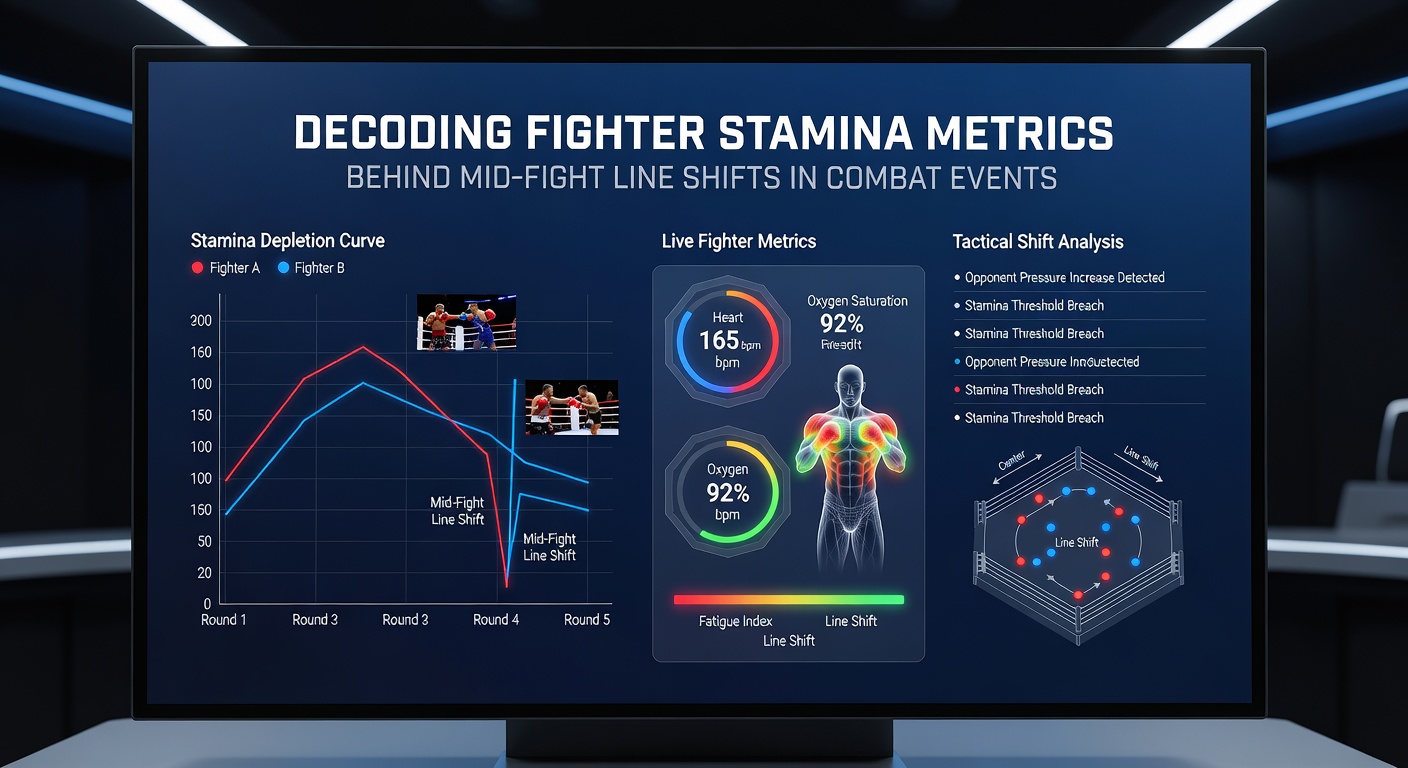
Promotions began sharing aggregated performance data with third-party analytics firms after 2024 which allowed broader access to round-by-round metrics. This development enabled more precise modeling of fatigue curves across different fight durations. As of May 2026 several major events incorporated enhanced sensor arrays that measured ground control time alongside energy expenditure estimates derived from accelerometer readings.
How Markets Incorporate These Signals
Betting operators adjust lines when cumulative stamina indicators cross predetermined thresholds that historically predicted round outcomes. A fighter whose effective striking percentage remains above 48 percent while total strikes attempted stays within 10 percent of opening round volume often sees money move in their direction. Conversely, competitors showing increased reliance on single strikes rather than combinations experience line lengthening as markets interpret the change as energy conservation due to fatigue.
Regional differences appear in how quickly these adjustments occur. North American markets tend to react within 30 seconds of round-end data release while European and Asian books incorporate additional variables such as previous fight recovery timelines. This variation creates brief windows where informed observers can identify discrepancies before lines fully synchronize across platforms.
Conclusion
Stamina metrics continue to shape mid-fight line shifts because they supply quantifiable evidence of performance sustainability that visual assessment alone cannot match. As sensor technology and data sharing expand through 2026, these indicators will likely grow more granular and integrated into live betting frameworks across combat promotions. Observers who track output consistency, recovery markers, and defensive retention rates gain clearer insight into why certain lines move when others remain stable despite early score discrepancies.